
Imagine this: you’re cruising through life, bills paid on time, and suddenly—bam! Your credit score drops 100 points faster than a hot potato at a family reunion. What gives? It’s like finding out your favorite ice cream flavor has been discontinued.
Common Reasons for a Credit Score Drop
Credit scores can drop unexpectedly due to several factors. Understanding these reasons can help individuals take corrective actions.
Late or Missed Payments
Late payments significantly impact credit scores. A single missed payment can decrease a score by 70 points or more. Payment history accounts for 35% of the credit score, making it the most crucial factor. Even a minor delay can lead to negative reporting. Individuals should monitor their payment due dates closely to avoid these drops.
Increased Credit Utilization
Credit utilization influences a credit score heavily. This ratio measures the amount of used credit versus the available credit. A utilization rate above 30% can lead to score reductions. For example, if a person has a credit limit of $10,000 and uses $4,000, that 40% utilization can negatively affect their score. Keeping utilization low helps maintain a strong credit profile.
Hard Inquiries
Hard inquiries occur when a lender checks credit for loan applications. Each inquiry can lower a credit score by about five points. Multiple inquiries in a short time frame can have a cumulative effect. Potential borrowers should limit new credit applications to reduce the risk of score drops. It’s essential to space out loans or credit requests appropriately.
The Impact of Recent Changes
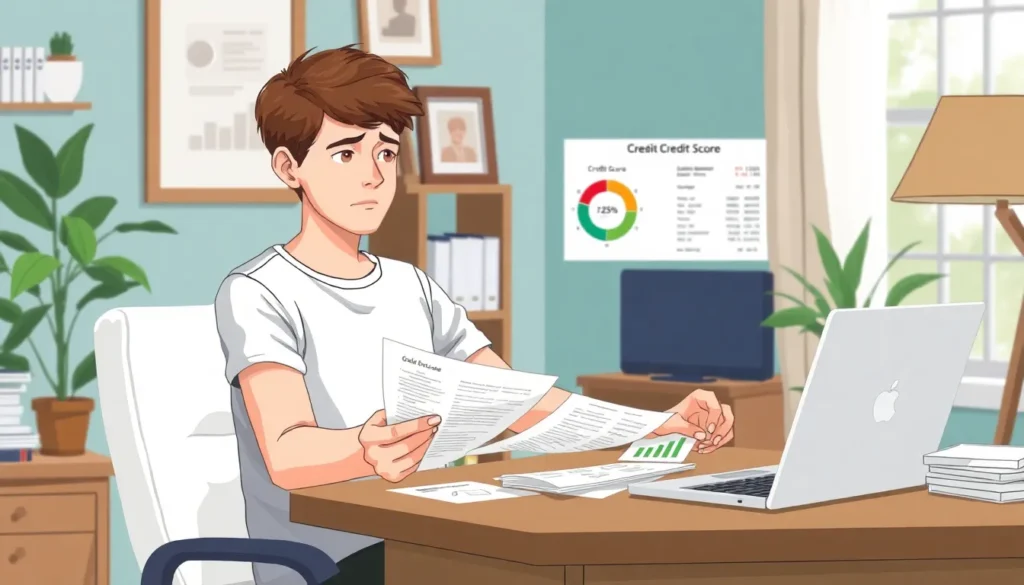
Changes to individual credit profiles can significantly influence credit scores. Two common reasons for a sudden drop include opening new credit accounts and closing old ones.
New Credit Accounts
Opening new credit accounts typically triggers a hard inquiry. Each inquiry can decrease the score, especially if multiple accounts are opened within a short time. Newly established accounts also lower the average age of credit, which affects scores negatively. A drastic increase in available credit might boost utilization ratios initially but won’t compensate for the impact of hard inquiries. Individuals should consider the quick application process versus the long-term effects on their score.
Closing Old Accounts
Closing old accounts often removes established credit history from a report. When this happens, the average age of credit can drop, which negatively affects scores. Fewer accounts reduce the total available credit, potentially increasing the credit utilization ratio. Although one might aim to simplify finances by eliminating unnecessary accounts, the unintended consequence can be a lower credit score. Keeping older accounts active, even with minimal usage, helps maintain a healthier credit profile.
Monitoring Your Credit Score
Monitoring a credit score regularly helps detect issues early and maintain financial health. Several tools and resources simplify this process.
Tools and Resources
Credit monitoring services offer real-time updates on score changes, providing alerts for significant shifts. Websites like Credit Karma and Experian provide free access to scores and reports. Mobile apps also allow users to track their credit on the go. Lenders like Discover and Bank of America include free credit score access for their customers. Using these resources ensures awareness of any factors affecting the score.
How to Check for Errors
Reviewing credit reports regularly helps identify inaccuracies that can lower a score. Each person is entitled to one free credit report per year from the three major bureaus: Equifax, Experian, and TransUnion. If errors are found, disputing them is essential. Consumers can initiate disputes online or via mail with the reporting bureau. Accurate reports reflect true creditworthiness, thus influencing loan approvals and interest rates.
Steps to Rebuild Your Credit Score
Rebuilding a credit score requires commitment and strategic actions. Individuals facing a drop in their credit score can implement specific steps to improve their situation.
Creating a Payment Plan
Establishing a payment plan helps regain control over finances. Dedicating time to assess monthly expenses uncovers areas to allocate funds for debt repayment. Prioritizing high-interest debts first reduces financial strain. Making consistent, on-time payments will gradually restore creditworthiness. Setting up reminders or enrolling in automated payments can minimize the risk of missed deadlines. Such actions reinforce a reliable payment history, which constitutes 35% of the credit score.
Reducing Debt
Reducing overall debt plays a crucial role in improving credit scores. Focusing on the debt-to-income ratio makes it easier to identify financial priorities. Individuals should consider strategies like the snowball method, where smaller debts are tackled first, providing quick wins. Simultaneously, the avalanche method prioritizes debts with the highest interest rates for long-term savings. Striving to keep credit utilization below 30% fosters better scores. Reviewing budgets regularly enhances spending habits, ultimately supporting debt reduction efforts.
Experiencing a 100-point drop in credit score can be alarming and disheartening. Understanding the underlying causes is vital for taking corrective measures. Whether it’s due to missed payments increased credit utilization or changes in credit accounts recognizing these factors can empower individuals to make informed decisions.
Regularly monitoring credit scores and reviewing reports for errors can prevent unexpected declines. By implementing strategic steps to rebuild credit such as consistent payments and managing debt effectively individuals can work towards restoring their credit health. A proactive approach not only aids in recovery but also ensures long-term financial stability.


