
Ever found yourself in the middle of a recipe, only to be stumped by the question: how much is 2 ounces in cups? You’re not alone. Converting measurements can feel like trying to solve a Rubik’s Cube blindfolded. But fear not! This article is here to unravel the mystery and save you from the kitchen chaos.
Understanding Ounces and Cups
Ounces and cups represent common units of measurement in cooking. Both are essential for accurately following recipes and ensuring the right balance of ingredients.
Definition of Ounces
An ounce, abbreviated as oz, measures weight in the US customary system. Fluid ounces, however, refer to volume. Kitchen measurements often use fluid ounces for liquids, which holds significance in recipes. For clarity, there are 8 fluid ounces in a cup. This conversion is vital for cooks to ensure precision when measuring ingredients. Understanding fluid ounces helps in achieving desired textures and flavors in meals.
Definition of Cups
Cups serve as a standard unit for measuring both liquid and dry ingredients. In cooking, one cup equals 8 fluid ounces. This relationship connects cups directly to ounces in terms of volume measurements. Accurate cup measurements affect recipe outcomes. Understanding the cup system enhances cooking efficiency and effectiveness. Many measuring cups come marked with both metric and US measurements. Recognizing these details simplifies the cooking process and supports successful meal preparation.
Conversion Basics
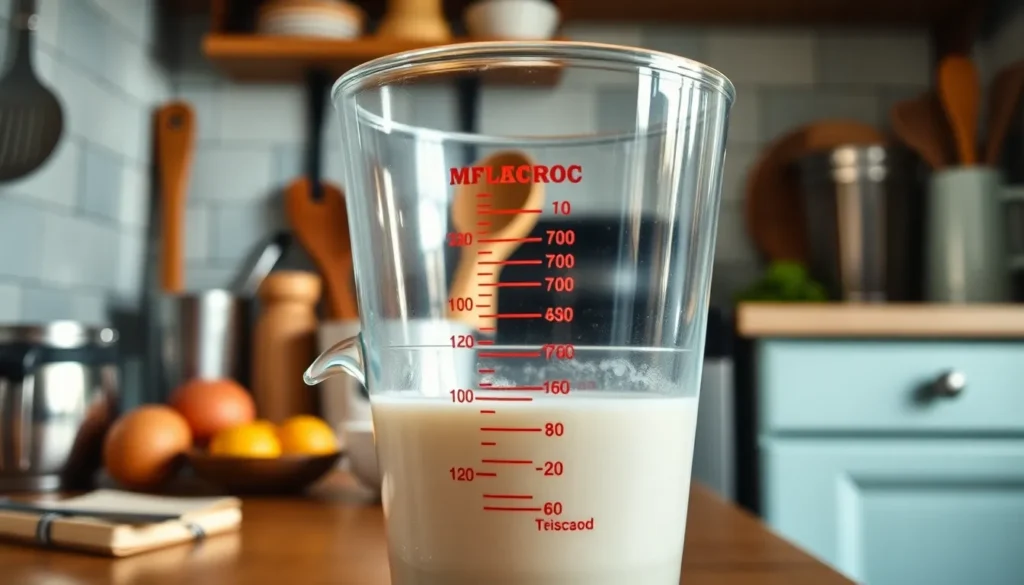
Understanding conversion rates simplifies cooking. Commonly, 8 fluid ounces equate to 1 cup. This standard conversion rate applies universally across recipes, aiding home chefs in measuring ingredients accurately. Cooking becomes easier when recognizing that 2 ounces is equal to 1/4 cup. This insight helps maintain ingredient proportions and balances flavors effectively.
Standard Conversion Rate
A standard conversion rate fosters consistency in cooking. For every 8 fluid ounces, there’s precisely 1 cup. Measuring ingredients accurately matters when following a recipe. Both liquid and dry substances require proper conversions to ensure effective cooking. Knowing that 2 ounces translates to 1/4 cup simplifies ingredient measurement. Home chefs achieve optimal results by adhering to these conversion rates.
Importance of Accurate Measurements
Accurate measurements directly impact recipe success. Precise ingredient quantities ensure that flavors and textures meet expectations. Incorrect measurements may lead to culinary failures, causing recipes to deviate from their intended results. Ingredient proportions influence cooking times and food quality. They can determine the overall enjoyment and satisfaction of a dish. Practicing accurate measurements aids home chefs in creating delicious meals consistently.
Practical Applications
Understanding how to convert ounces to cups aids numerous tasks in daily life. This knowledge enhances accuracy in various fields, from culinary activities to healthcare.
Cooking and Baking
Accurate measurements play a vital role in cooking and baking. Recipes often call for specific ingredient amounts, and translating 2 ounces to 1/4 cup simplifies the process. A baker might combine flour, sugar, or liquids requiring precision for optimal results. Correct proportions enhance flavors and textures, ensuring enjoyable dishes. When a cook mistakenly measures ingredients, the final product might lack expected quality. Thus, knowing this conversion empowers home chefs to create consistent, delicious meals every time.
Medical Dosages
Converting ounces to cups can also impact medical scenarios. Accurate liquid measurements are crucial for administering medications safely. Medical professionals often need precise dosages, especially for children and pets. With 2 ounces equating to 1/4 cup, caregivers can dilute medicines effectively. Following prescribed guidelines in liquid forms becomes easier with reliable conversions. Errors in measurement can lead to ineffective treatment or even adverse reactions. Therefore, comprehending this conversion promotes safety in administering fluids and medications.
Tools for Measurement
Accurate measurements enhance cooking precision. Several tools aid in converting ounces to cups.
Measuring Cups
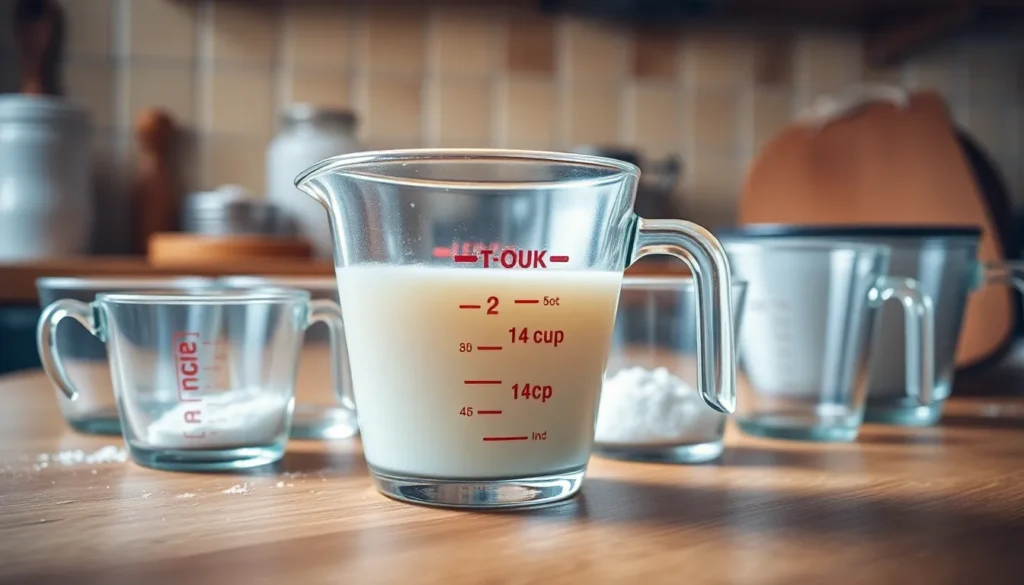
Measuring cups serve as essential kitchen tools for liquid and dry ingredients. These cups come in various sizes, typically including 1 cup, 1/2 cup, 1/3 cup, and 1/4 cup. Each measurement helps achieve recipe accuracy. Using a 1/4 cup to measure 2 ounces simplifies ingredient preparation. Most measuring cups feature clearly marked lines, allowing for straightforward measurements. When pouring liquids, a clear measuring cup offers visibility for precise amounts. Precision matters in baking, where even minor discrepancies can impact results. Whether it’s flour, sugar, or chocolate chips, measuring cups guarantee the right ingredient ratios.
Kitchen Scales
Kitchen scales provide another reliable measurement method. Digital scales offer accuracy down to grams or ounces, making them vital for precise cooking. Weight provides consistency, particularly for ingredients like flour or butter. The scale displays exact measurements, ensuring that 2 ounces converts to 1/4 cup seamlessly. Measuring by weight avoids the issues related to different ingredient densities. Many bakers prefer weighing ingredients to achieve repeatable results. Using a scale promotes accuracy, especially in complex recipes demanding meticulous ratios. A kitchen scale becomes indispensable for those committed to culinary precision.
Understanding the conversion of 2 ounces to 1/4 cup simplifies the cooking process and enhances recipe accuracy. This knowledge not only aids in achieving the right ingredient balance but also elevates the overall quality of dishes prepared.
Whether for cooking or baking, precise measurements are key to culinary success. Utilizing tools like measuring cups and kitchen scales further ensures that home chefs can consistently replicate their favorite recipes.
By mastering these conversions, anyone can boost their cooking efficiency and create delicious meals with confidence.


