

In a world where smartphones are practically an extension of ourselves, the last thing anyone wants is to find out their iPhone’s been hacked. Imagine your phone suddenly acting like it’s auditioning for a role in a sci-fi thriller—random apps popping up, unrecognizable messages, and maybe even a mysterious voice saying, “I’ll be back.” It’s enough to make anyone question their life choices and their phone’s loyalty.
But fear not! Recognizing the signs of a hacked iPhone doesn’t require a degree in cybersecurity or a crystal ball. With a little know-how and a dash of humor, you can spot those red flags before your device turns into a digital drama queen. Let’s dive into the telltale signs that your iPhone might be playing for the other team, and arm you with the knowledge to reclaim your tech sanity.
Signs Your iPhone May Be Hacked
Identifying whether an iPhone has been hacked involves observing certain key signs. Below are some indicators that warrant attention.
Unexplained Battery Drain
Unexplained battery drain often signals unauthorized activity. Users may notice their device’s battery depleting much faster than usual. Background apps running without their knowledge could consume extra power. Check for any applications using significant battery resources in the settings. Frequent charging might become necessary, highlighting potential malicious software.
Unusual Data Usage
Unusual data usage indicates possible hacking. Users should monitor their data consumption, especially if there’s a spike without new apps installed or updates performed. Discrepancies in data usage can reveal hidden applications or processes. Accessing data usage statistics in the settings might uncover unexpected patterns. Consider checking which apps utilize data, ensuring none are unfamiliar.
Unexpected Behavior or Apps
Unexpected behavior or apps can reflect compromised security. Random app installations may occur without user consent. Performance problems such as crashing, freezing, or unusual operating patterns also raise red flags. Pay attention to notifications about unfamiliar logins or alerts. Users should investigate any strange activity promptly to assess their device’s security status.
Security Features to Check
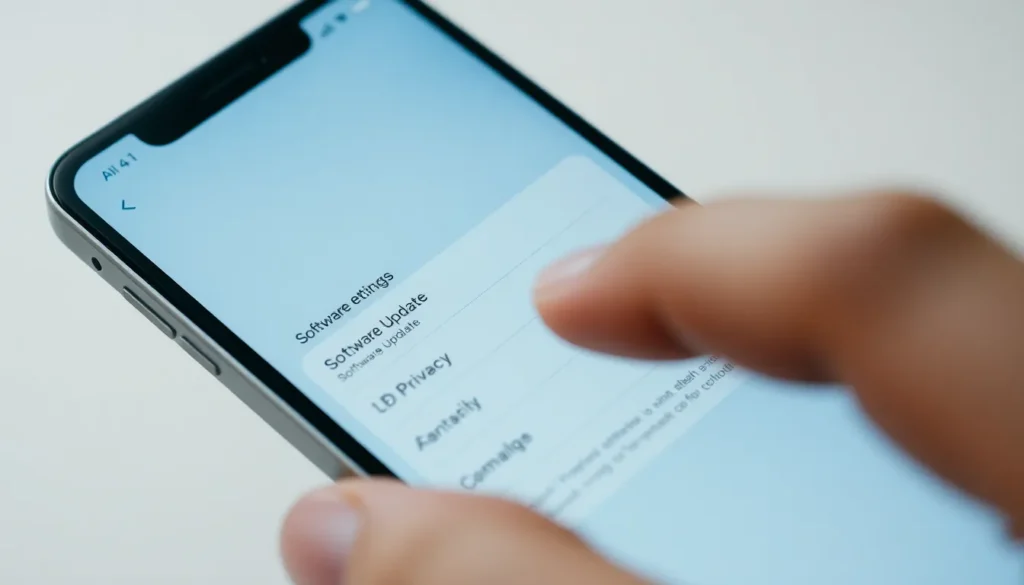
Identifying potential breaches on an iPhone involves checking security features. Observing updates and permissions can indicate if something’s amiss.
Software Updates
Keeping software current protects the device. Apple regularly releases updates to patch vulnerabilities. If an iPhone hasn’t updated recently, it might be more susceptible to attacks. Users should navigate to Settings, then General, and tap Software Update. Enabling automatic updates ensures the device receives immediate security enhancements.
App Permissions
Monitoring app permissions helps detect suspicious activity. Unfamiliar apps might request access to location, contacts, and personal data. Users should examine permissions by going to Settings, selecting Privacy, then reviewing each section. Denying unnecessary access limits potential exploitation and enhances overall privacy.
Two-Factor Authentication
Activating two-factor authentication significantly strengthens security. This feature requires a verification code alongside a password, adding an extra layer of protection. Enabling it involves navigating to Settings, tapping on the Apple ID, then selecting Password & Security. This measure ensures unauthorized access remains unlikely, enhancing the protection of personal information.
Steps to Take If You Suspect Hacking
Taking action quickly is essential if a user suspects hacking on their iPhone. These steps ensure better protection and recovery from potential breaches.
Change Your Passwords
Changing passwords immediately serves as a crucial step in regaining control. Start with Apple ID credentials, as these access various services. Ensure all other accounts linked to the iPhone receive new passwords too, including email and social media platforms. Selecting strong passwords combines uppercase letters, lowercase letters, symbols, and numbers. Utilize a password manager for secure storage and easy access to complex passwords. Avoid reusing old passwords, as this practice increases vulnerability. Opt for unique passwords across all accounts to enhance overall security.
Restore to Factory Settings
Restoring the iPhone to factory settings can effectively remove malicious software. Before initiating this process, ensure all important data is backed up. This backup protects personal information during restoration. Navigate to the settings menu, select General, and tap Reset, followed by Erase All Content and Settings. After completion, the device returns to its original state, eliminating potential threats and unwanted apps. Users can then set up the device as new or restore from a backup. Following this restoration, it’s crucial to monitor the iPhone closely to ensure security remains intact.
Preventative Measures
Practicing preventative measures can significantly reduce the risk of a hacked iPhone. Users can take several proactive steps to protect their devices.
Regular Software Updates
Keeping the iPhone’s software up to date is essential for security. Apple frequently releases updates that address vulnerabilities. Ignoring these updates may leave devices susceptible to attacks. Users should enable automatic updates for seamless installation of the latest security patches. This ensures protection against emerging threats without needing constant manual intervention. Staying informed about the latest updates is beneficial, as it helps users understand how to maintain their device’s security.
Use of Security Apps
Incorporating security apps into your device can enhance protection. Numerous reputable apps exist to help monitor and secure personal data. Seeking out well-reviewed security applications can assist in identifying potential threats. Many security apps offer features like virus scanning, phishing protection, and secure browsing. Users can also find tools that monitor app permissions and manage sensitive information. Implementing these solutions fortifies defenses against malware and unauthorized access while reinforcing overall device safety.
Recognizing the signs of a hacked iPhone is essential for maintaining digital security. By staying vigilant and monitoring for unusual behavior users can take proactive steps to protect their devices. Regular software updates and scrutinizing app permissions play a vital role in safeguarding personal information.
If there’s any suspicion of a breach taking immediate action is crucial. Changing passwords and restoring the device to factory settings can help eliminate threats. With the right knowledge and tools users can confidently navigate potential risks and ensure their iPhone remains secure.


